Our blog


logistics fleet management

Fleet Management in Logistics: Meaning, Key Components and Importance

Fleet management in logistics involves tracking, maintaining, and optimizing vehicles, drivers, and routes to improve delivery efficiency and reduce costs.
what is fleet tracking and how it work

What Is Fleet Tracking? Benefits, Types & Industry Use Cases 

Fleet tracking uses GPS and telematics to monitor vehicle location, routes, and driver activity in real time for better efficiency...
fleet driver management system

What Is Delivery Management? Process, Systems, Benefits Explained

Delivery management is the process of planning, tracking, and optimizing deliveries to ensure fast, efficient, and reliable order fulfillment.
what is considered heavy equipment

What Is Considered Heavy Equipment? 18 Types of Heavy Equipment

Heavy equipment includes large machines like excavators, bulldozers, cranes, and dump trucks used for construction, excavation, and road building.
how to fix eld malfunctions

ELD Malfunctions: What They Are and How to Fix Them

An ELD malfunction is when the device fails to meet FMCSA standards, preventing accurate HOS recording and requiring immediate manual...
eld violations guide

What Are the Most Common Types of ELD Violations and Fines?

ELD violations include missing logs unregistered devices and data errors causing fines CSA score impact and possible out of service...
what is logbook

What is a Logbook? A Complete Guide 

A logbook is a chronological record used to track activities, events, or data for accuracy, monitoring, and compliance across industries.
how to use eld

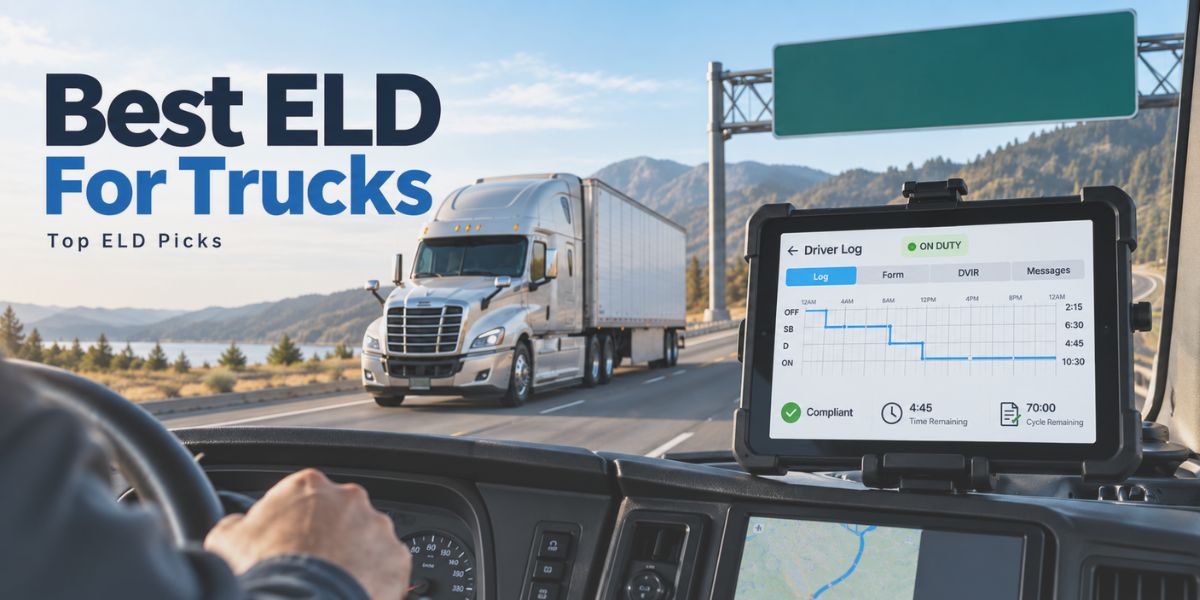
How to Use an ELD: 10 Practical Tips for Truck Drivers

10 practical tips for truck drivers on how to use an ELD correctly. Stay HOS compliant, manage logs properly, and...
corporate fleet vehicle

What Is a Corporate Fleet Vehicle?

A corporate fleet vehicle is a company-owned or leased car, van, or truck used for business operations like deliveries, employee...
1 2 3 31